
Barrier-friendly aftercare after waxing and sugaring
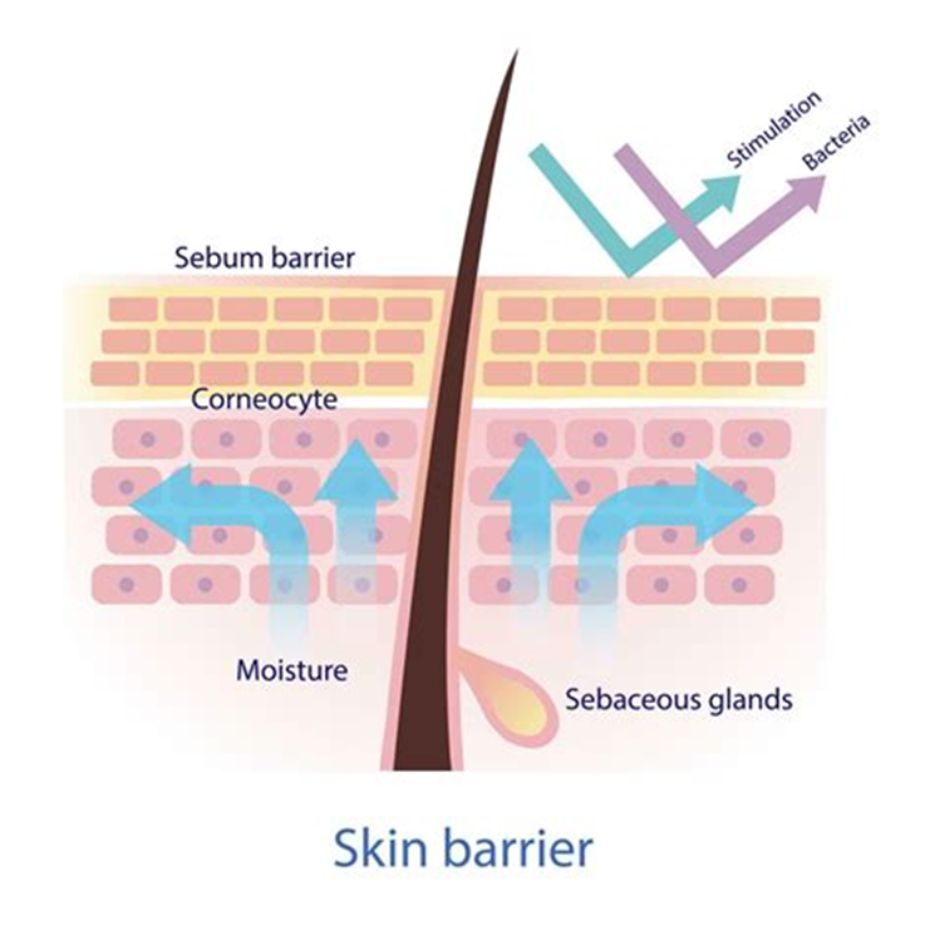
Smooth skin does not end when the wax strip comes off. What you do in the first forty-eight hours determines how calm your skin feels, how quickly redness settles, and whether ingrown hairs show up later. This guide explains a gentle, barrier-friendly routine you can follow after waxing or sugaring, with simple ingredient tips that suit sensitive skin. For treatment info, see our services at waxination waxing and sugaring and practical instructions on our pre and aftercare page. Why the skin barrier matters after hair removal Waxing and sugaring lift hair from the root. That can briefly disrupt the outer barrier (the stratum corneum), the layer that keeps moisture in and irritants out. When the barrier is stressed, skin may sting, flush, or feel dry. Choosing products that support ceramides, cholesterol, and fatty acids helps restore comfort and resilience. (Divine Dermatology) The first 24 hours: keep it cool, clean, and simple Avoid heat and friction while the skin settles. Skip hot showers, saunas, steam rooms, and intense workouts; choose lukewarm water and breathable clothing to reduce chafing. Cleanse gently and avoid fragranced lotions or heavy oils. These steps help limit irritation, folliculitis, and ingrown hairs in the immediate post-wax window. (Mona Dermatology, Healthline, Cleveland Clinic) Searching for waxing near me or a wax salon in Amsterdam? Waxination is a waxing and sugaring salon in Amsterdam West (De Clercqstraat) for a Brazilian wax, bikini wax, full body waxing and sugaring hair removal. See waxing and sugaring at Waxination Amsterdam West. When to start exfoliating Once the skin feels calm, introduce gentle exfoliation to keep pores clear and discourage trapped hairs. For most people this means starting after 48–72 hours, then continuing one to three times weekly depending on tolerance. Dermatology and beauty editors frequently recommend lactic or mandelic acid (ahas), salicylic acid (bha) for oilier areas, and phas for very sensitive skin. Go low and slow, and always pause if redness or stinging appears. (Vogue, Healthline, Byrdie) Ahas, bhas, and phas: which gentle acid is right for you Lactic and mandelic (aha): surface-level exfoliation to smooth texture and help prevent ingrowns without feeling harsh; mandelic is often the most forgiving. (Vogue) Salicylic (bha): oil-soluble, reaching inside pores; useful on the bikini line, back, or chest if you are prone to clogged follicles. (Healthline) Phas (like gluconolactone): larger molecules that work slowly with less sting, ideal for very sensitive or reactive skin. (City Skin Clinic) Introduce one category at a time, at night, and moisturize afterwards to protect the barrier. Moisturizers that respect the barrier Look for fragrance-free lotions or gels rich in humectants (glycerin, hyaluronic acid), emollients (squalane), and barrier lipids (ceramides, cholesterol, fatty acids). This “brick and mortar” mix supports water retention and comfort while the skin recalibrates after waxing. (PMC) Everyday habits that prevent ingrown hairs Wear loose clothing for the first day to reduce rubbing on freshly waxed areas. Keep skin clean; sweat and occlusive products can trap debris around the follicle. Once cleared to exfoliate, maintain a light, regular routine rather than aggressive scrubs. Resist picking; warm compresses and patience are kinder if a hair looks trapped. These simple habits lower the chances of bumps and ingrowns. (Cleveland Clinic, Healthline) A quick note on infections and bumps If you notice painful, pus-filled bumps, you may be dealing with folliculitis rather than a simple ingrown. Gentle hygiene and time usually help, but persistent cases may need a clinician’s guidance. Avoid hot tubs and tight clothing while the area heals. (DermNet® Microbiome-friendly is trending for a reason Post-wax care is shifting toward skin-minimal routines that support the barrier and microbiome rather than stripping it. Industry coverage points to growing demand for science-backed formulas, postbiotics, and gentler actives that keep skin calm while preventing bumps. A less-is-more, barrier-first routine aligns with this trend and works beautifully after waxing or sugaring. (Accio, Metatech Insights). Your simple post-wax routine Day 0: cool rinse, gentle cleanser, light fragrance-free moisturizer. Avoid heat, friction, and sun. (Mona Dermatology) Day 2–3: if calm, start one gentle exfoliant (lactic, mandelic, pha) one to three nights per week; moisturize after. (Healthline) Ongoing: keep fabrics breathable, hydrate the skin daily, and maintain consistent but gentle exfoliation. pause during irritation. (Cleveland Clinic) for service guidance or to plan your next visit, see waxination waxing and sugaring and our pre and aftercare page. FAQs Can i work out after waxing?It is best to wait twenty-four hours to minimize heat, sweat, and friction while follicles settle. (Mona Dermatology) Which exfoliant should i start with if my skin is very sensitive?Try a pha or a low-strength lactic or mandelic acid once weekly, then build up only if your skin remains calm. (City Skin Clinic, Healthline) How do i treat a stubborn ingrown hair?Apply warm compresses and keep the area clean; avoid picking. If the bump is painful or persists, consult a clinician to rule out infection. (Cleveland Clinic)
Diode laser hair removal in 2025: inclusive tech and when to combine with waxing

Laser hair removal has evolved rapidly, and 2025 is the year of inclusive, smarter diode systems. Multi-wavelength platforms and refined safety protocols now make lasting hair-reduction accessible to more hair and skin types than ever before. (PMC, Wiley Online Library) At Waxination in Amsterdam West, diode laser hair removal is a core service alongside waxing and sugaring. If you are comparing methods, understanding how modern diode technology works—and how it fits with traditional waxing—helps you choose the right plan for smooth, confident results. (Waxination) Looking for laser hair removal in Amsterdam? Waxination offers diode laser hair removal in Amsterdam West for the face, bikini line, legs and underarms: a long-lasting hair removal option next to waxing and sugaring. See diode laser hair removal at Waxination Amsterdam West. What diode laser hair removal actually does A diode laser emits a concentrated beam of light that is absorbed by the pigment in the hair shaft. The energy converts to heat, damaging the follicle so it grows back slower, finer, and in smaller amounts over time. Multiple sessions are needed because hair grows in cycles, and lasers work best in the active growth phase. Results are reduction rather than absolute permanence, with occasional maintenance sessions for most people. (Mayo Clinic, AAD) Why multi-wavelength diode matters in 2025 Modern devices increasingly combine or rotate wavelengths to target hair at different depths while protecting the surface skin. You will often see platforms featuring 755 nm, 810 nm, and 1064 nm working together or in sequence. Alexandrite-range energy around 755 nm helps with finer hairs and lighter skin. Classic diode around 810 nm is an efficient “workhorse” wavelength for many body areas. Long-pulsed 1064 nm penetrates deeper with less epidermal absorption, supporting safer use on darker skin tones. (PMC, NCBI, DermNet®) Clinical reports and reviews in recent years describe high-power, triple-wavelength diode systems as effective and well-tolerated for hair reduction across varied hair and skin types when used appropriately by trained professionals. (PMC, Wiley Online Library) Who is a good candidate Most people with dark hair on light to medium skin respond predictably, but advances in settings, cooling, and wavelength selection continue to broaden candidacy. For darker skin tones, conservative parameters and deeper-penetrating wavelengths are preferred to minimize risks like pigment change. A professional consultation will review your medical history, medications, sun exposure, and any conditions that could affect your course of treatment. (Mayo Clinic, DermNet®) How many sessions to expect Laser hair removal is a series, not a single visit. Small areas with fast hair cycles can be treated every four to eight weeks, while slower-growing areas such as the back may be treated every twelve to sixteen weeks. Most people start with a set of sessions and then move to occasional maintenance. (Mayo Clinic) Can you combine laser with waxing or sugaring You can combine these methods in a long-term plan, but not on the same area during your active laser series. Avoid waxing, tweezing, or sugaring on the laser-treated area for at least four weeks before sessions because those methods remove the follicle the laser needs to target. Shaving is the recommended hair-management method between sessions. (Mayo Clinic, AAD) If you like the feel of waxing or sugaring, you can still do them on areas you are not currently treating with laser, or return to them occasionally after your laser series as a finish if any soft regrowth appears later. (Allure) For service details in Amsterdam West, see our diode laser page and our waxing and sugaring page: Diode laser hair removal Waxing and sugaring What to do before your first laser session Preparation helps you get the most from each visit and keeps skin calm. Stay out of the sun and tanning beds before and between treatments, and use broad-spectrum sunscreen daily. Do not wax, tweeze, or use depilatory creams in the treatment zone for at least four weeks before your appointment. Shave the area within twenty-four hours before your session unless your practitioner instructs otherwise. Tell your provider about any photosensitizing medications or active skincare like retinoids and strong acids. (Mayo Clinic, AAD) For general prep and soothing tips around non-laser services, see our pre and aftercare page: Pre and aftercare What a typical treatment feels like Your practitioner cleanses the skin and may apply cooling. A handpiece glides over the area delivering pulses of light; you might feel brief warmth or a pin-prick sensation along with cool air or contact-cooling. Sessions for small zones can take minutes, while larger areas may take close to an hour. Temporary redness or swelling can occur and usually subsides within a few hours. (Mayo Clinic) Aftercare that respects the skin barrier Keep the area clean and cool on the day of treatment, avoid heat and workouts for twenty-four hours, and use gentle, fragrance-free moisturizers while the skin settles. Protect the area from sun exposure during the whole treatment course. If you are prone to ingrowns, your practitioner may suggest mild chemical exfoliants introduced later in the week, but skip physical scrubs while the skin is reactive. (Mayo Clinic) How diode compares with other technologies Different hair-removal lasers have different absorption profiles and skin-depth targets. Diode at about 810 nm balances depth and melanin absorption, making it a versatile choice across many body areas. Alexandrite is powerful on lighter skin and fine hair, while Nd:YAG’s deeper penetration and lower melanin absorption in the epidermis can be preferable for darker skin. Multi-wavelength approaches let clinicians pick the right energy for the job and adjust safely. (NCBI, DermNet®) When waxing or sugaring still makes sense Some people prefer the feel of complete smoothness between seasons, want a quick tidy for a special event, or have very light hairs that do not respond to laser. In these cases, waxing or sugaring remains a great option outside your active laser zones and timelines. If you are mid-series on legs, for example, you might still book waxing or sugaring for brows or a separate body area, or plan a
How to prepare for your first waxing appointment

Trying waxing for the first time can feel intimidating. Many people worry about pain, irritation, or not knowing what to expect. The good news is that with the right preparation, your first waxing experience can be smooth, comfortable, and surprisingly easy. At Waxination in Amsterdam West, we welcome first-time clients every day. Whether you are booking sugaring or waxing, or other treatments such as brows and lashes, the right preparation makes all the difference. In this article, we explain step by step how to prepare for your first waxing appointment so you can arrive confident and leave with silky smooth results. Searching for waxing near me or a wax salon in Amsterdam? Waxination is a waxing and sugaring salon in Amsterdam West (De Clercqstraat) for a Brazilian wax, bikini wax, full body waxing and sugaring hair removal. See waxing and sugaring at Waxination Amsterdam West. Why preparation matters Waxing removes hair from the root. That means your skin needs to be in its best condition to reduce irritation, avoid ingrown hairs, and ensure the wax grips the hair properly. Good preparation: minimizes discomfort helps achieve longer lasting smoothness reduces side effects like redness or bumps makes the appointment faster and more effective According to Healthline, preparation is one of the most important factors in determining how comfortable your waxing experience will be. Step 1: grow your hair to the right length For wax to grip properly, hair needs to be long enough. Most professionals recommend at least a quarter of an inch, or about the length of a grain of rice. If the hair is too short, the wax cannot catch it; if it is too long, the process may feel more uncomfortable. If you usually shave, let the hair grow for at least two to three weeks before your appointment. This ensures the wax removes the hair completely from the root, giving you smoother results for longer. Step 2: exfoliate a day or two before Gentle exfoliation before waxing helps remove dead skin cells and prevents ingrown hairs. Use a mild scrub, exfoliating glove, or a sugar-based scrub to prepare the skin. Do not exfoliate on the day of your appointment, as the skin may be too sensitive. Byrdie notes that regular exfoliation also makes future waxing sessions easier and less painful, since the hair grows back finer and more evenly. Step 3: keep skin moisturized, but avoid oils on the day Moisturized skin is more elastic and less prone to irritation. In the days leading up to your appointment, apply a gentle, fragrance-free moisturizer. On the day of your appointment, avoid oils, lotions, or heavy creams, as they can interfere with how the wax adheres to the hair. Step 4: avoid sun exposure and tanning Freshly sunburned or tanned skin is more sensitive and prone to damage. Avoid tanning beds or direct sun exposure for at least 48 hours before your waxing session. If you spend time outside, apply sunscreen to protect the skin. Step 5: choose the right clothing Comfort is key. Wear loose-fitting clothing to your appointment, especially if you are waxing sensitive areas like the bikini line, underarms, or chest. Tight clothing can cause friction and irritation immediately after waxing. Step 6: plan around your cycle For women, skin is more sensitive in the days leading up to menstruation. If possible, schedule your waxing appointment for after your period, when your pain tolerance is usually higher. Glamour explains that avoiding this time can make the experience more comfortable. Step 7: stay calm and consider pain relief It’s normal to feel nervous before your first appointment. To reduce discomfort: take a mild pain reliever 30 minutes before (if needed) avoid caffeine and alcohol, which can increase skin sensitivity practice deep breathing during the session to stay relaxed Remember, the discomfort lasts only a moment, and the results are worth it. Step 8: know what to expect during the appointment When you arrive at Waxination, your specialist will: Cleanse the skin to remove oils or residue. Apply warm wax or sugaring paste depending on your chosen service. Remove the wax quickly and efficiently to minimize discomfort. Apply soothing products to calm the skin. Appointments are private, professional, and designed to make you feel at ease. Step 9: follow aftercare instructions Proper aftercare is just as important as preparation. After waxing: avoid heavy exercise, saunas, or hot showers for 24 hours wear loose clothing to reduce friction apply aloe vera or a calming lotion to soothe the skin exfoliate lightly after 48 hours to prevent ingrown hairs Following these steps ensures your skin stays smooth and healthy between sessions. For lasting results, schedule regular appointments every four to six weeks. Infographic suggestion Visual: “How to prepare for your first waxing appointment” checklist Grow hair to quarter inch length Exfoliate 1–2 days before Moisturize skin (but skip lotion on the day) Avoid sun exposure before waxing Wear loose clothing Plan around your cycle Stay calm and take pain relief if needed Expect cleansing, waxing, soothing during appointment Follow aftercare tips This infographic can be shared on social media or placed on the website to reassure first-time clients. Conclusion Preparing for your first waxing appointment is simple, but it makes a big difference in your overall experience. By following these steps—growing your hair, exfoliating, moisturizing, and choosing comfortable clothing—you set yourself up for smoother, longer lasting results. At Waxination in Amsterdam West, our team specializes in making first-time waxing clients feel comfortable and confident. Whether you choose sugaring or traditional waxing, we provide expert care, hygienic treatments, and detailed aftercare to ensure the best results. Book your first appointment and experience the confidence that comes with silky smooth skin.