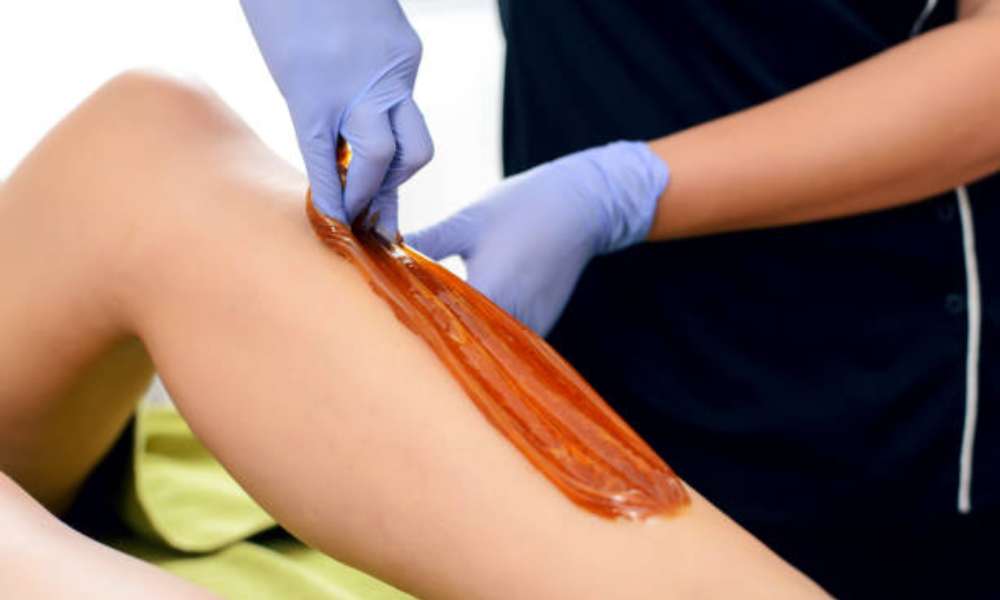
Sensitive skin requires extra care when it comes to hair removal. Many people hesitate to try waxing because they worry about irritation, redness, or painful side effects. In recent years, sugaring has gained popularity as a gentler alternative to traditional waxing. With natural ingredients and a less aggressive technique, sugaring is becoming the preferred method for people who want smooth, hair-free skin without compromising comfort.
In this article, we will explore the differences between sugaring and waxing, the unique benefits of each, and why sugaring is often considered the better choice for sensitive skin.

What is sugaring and what is waxing
Sugaring is one of the oldest hair removal techniques in the world. It uses a simple paste made of sugar, water, and lemon juice. The paste is applied at room temperature or slightly warm, and then removed in the direction of hair growth. Because it adheres only to the hair and dead skin cells, it is much less aggressive on the skin (Vogue).
Waxing, on the other hand, typically uses soft wax or hard wax that is applied warm or hot. Wax grips both the hair and the skin, which makes removal more intense. The strip is usually removed against the direction of hair growth, which can sometimes lead to irritation or ingrown hairs, especially for people with sensitive skin (Healthline).
Benefits of sugaring for sensitive skin

Sugaring is often considered the gold standard for those with delicate or easily irritated skin. Here are some of the main advantages:
- Natural ingredients: the sugar paste contains no artificial fragrances, dyes, or chemicals, which lowers the risk of allergic reactions or sensitivity (Byrdie).
- Gentle application: because the paste sticks only to hair and dead skin cells, it does not pull on live skin, resulting in less pain and irritation (Healthline).
- Lower temperature: the paste is applied at body temperature, which avoids burns and discomfort (Vogue).
- Reduced ingrown hairs: sugaring removes hair in the natural growth direction, reducing the chance of ingrown hairs forming (Self).
- Exfoliation benefits: the process doubles as a mild exfoliation, removing dead skin cells and leaving the skin smooth and glowing (Glamour).
- Easy cleanup: since the paste is water soluble, it washes away easily and does not leave sticky residue behind (Waxing the City).
For people with sensitive skin, these features make sugaring a comfortable and effective choice.
Benefits of waxing
Waxing remains a popular choice, and for good reason. It is efficient, effective, and suitable for a wide variety of hair types.
- Fast treatment times: waxing can cover large areas quickly, making it practical for full-body sessions (Tress Wellness).
- Strong grip on coarse hair: wax can remove even thick or stubborn hair in fewer passes (Starpil Wax).
- Versatility: with hard wax, soft wax, and specialized formulas, waxing can be tailored to different body areas and skin types.
- Long-lasting results: like sugaring, waxing removes hair from the root, which means smoother skin for weeks at a time (Vogue).
While waxing may be more intense on sensitive skin, skilled application with high-quality products can still produce excellent results.
Pain and comfort
For many people, the biggest question is which method hurts more. Sugaring is generally described as less painful because it does not pull at live skin. By following the natural direction of hair growth, it causes less trauma to the follicle and surrounding skin.
According to Byrdie, sugaring tends to hurt less than waxing because it is gentler on the skin. Many clients also report that discomfort reduces significantly after the first few sessions as the hair becomes finer and easier to remove.
Effectiveness and results
Both sugaring and waxing provide smooth results that last between three and six weeks, depending on hair type, density, and growth cycle.
Sugared and Bronzed notes that clients often notice regrowth is softer and sparser after multiple sugaring treatments. Waxing, on the other hand, is particularly effective for thick hair and larger areas, delivering consistently smooth results in less time.
Which is better for sensitive skin
For people with sensitive skin, sugaring tends to be the better option. Its natural ingredients, gentle application, and reduced risk of ingrown hairs make it more skin friendly. Waxing is still an excellent choice for those who want quick results or who have coarser hair that responds well to strong removal.
Infographic suggestion
Visual: Sugaring vs Waxing for Sensitive Skin
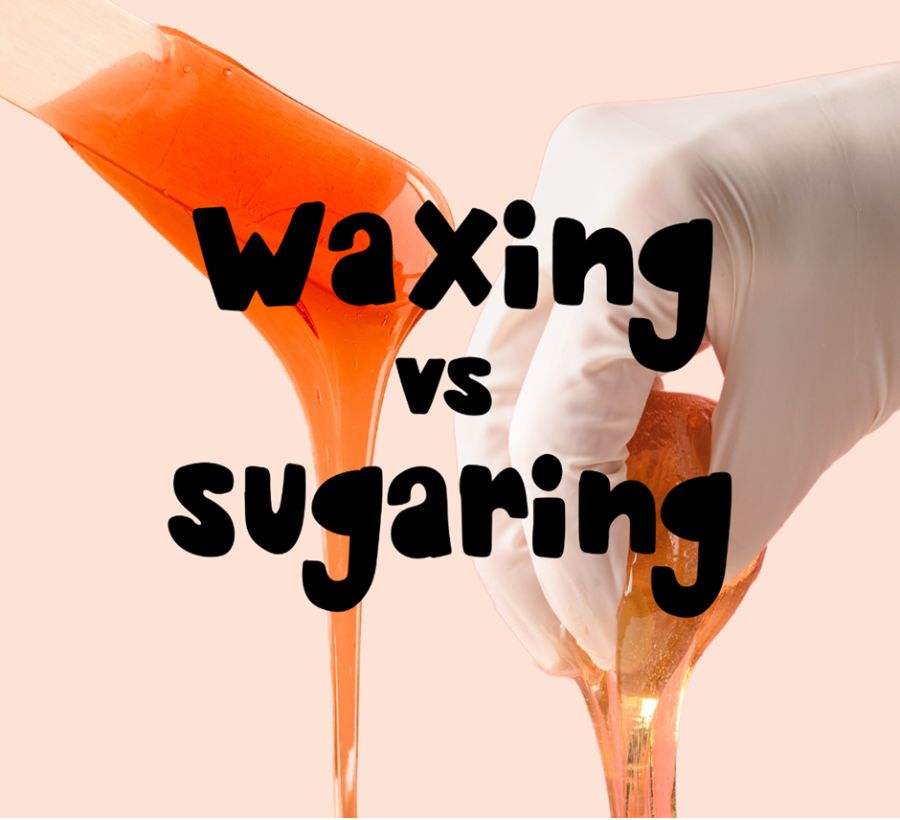
- Ingredients: natural sugar paste vs resin-based wax
- Temperature: body temperature vs heated application
- Application: with hair growth vs against hair growth
- Skin impact: less irritation vs stronger pull
- Best suited for: sensitive skin vs coarse hair or large areas
Conclusion
Both sugaring and waxing are effective methods of hair removal that deliver smooth, long-lasting results. For clients with sensitive skin, sugaring often provides the most comfortable and gentle experience. With natural ingredients and a skin-friendly technique, it minimizes irritation while delivering the clean, polished results that people are looking for.
Whether you choose sugaring or waxing, professional treatments ensure the highest level of care, hygiene, and comfort. In Amsterdam West, Waxination offers both methods, giving clients the flexibility to select the service that best suits their skin and lifestyle.